









Best Gravel Wheels: What Actually Matters When Choosing a Gravel Wheelset
The best gravel wheels are not defined by marketing claims alone. Real performance comes from the right balance of aerodynamics, stability, rim width, durability and tire compatibility.
This guide explains what actually matters when selecting the best gravel wheels for modern gravel riding and gravel racing.
Modern gravel riding covers everything from fast race courses and open farm roads to rough backcountry terrain. Choosing the right gravel wheelset can dramatically influence speed, comfort and confidence on the bike.

Modern gravel racing combines speed, rough terrain and long distances making wheel choice increasingly important.
What makes a gravel wheelset great?
The best gravel wheels typically combine five important characteristics:
- Aerodynamic efficiency at real riding speeds
- Stable handling in crosswinds
- Supportive rim width for modern gravel tires
- Durability for rough terrain
- A balanced weight suited to long distances
Many riders focus on only one of these elements, but true performance comes from the combination of all five.
Aerodynamics: an underrated factor in gravel
As gravel racing speeds increase, aerodynamic drag becomes one of the largest forces riders must overcome. Reducing drag allows riders to maintain speed with less effort, especially on open roads and windy terrain.
That is why the best gravel wheels are no longer judged by weight alone. In many real gravel race scenarios, aerodynamic efficiency and stability can matter just as much or more.
If you want to understand how aerodynamics influence gravel wheel performance in more detail, read our guide:
→ Aero Gravel Wheels Explained
Rim depth: finding the right balance
Rim depth has a significant influence on both speed and handling.
- Shallow rims prioritize low weight and agility
- Deep rims can increase aerodynamic efficiency
- Mid-depth rims aim to balance speed and control
Many modern gravel race wheels fall into the mid-depth category around 35–45mm, where aerodynamic benefit and stability often meet.

Wheel depth, stability and tire support all influence performance across real gravel terrain.
Rim width and tire support
Internal rim width influences how a gravel tire behaves under load. A supportive rim profile helps maintain tire shape, improving grip and reducing rolling resistance on rough surfaces.
Modern gravel wheels typically feature internal widths around 23–25mm, designed to work well with tire sizes between 35mm and 50mm.
For modern gravel riding, tire support is a key part of wheel performance. The best gravel wheels are not only fast they help the tire work more effectively across changing terrain.
Durability: the hidden performance factor
Unlike road riding, gravel racing constantly exposes wheels to impacts, vibration and unpredictable terrain.
The best gravel wheelsets must deliver consistent performance over long distances while maintaining reliability in challenging conditions.
A modern example: TENACI GA40 Team Edition
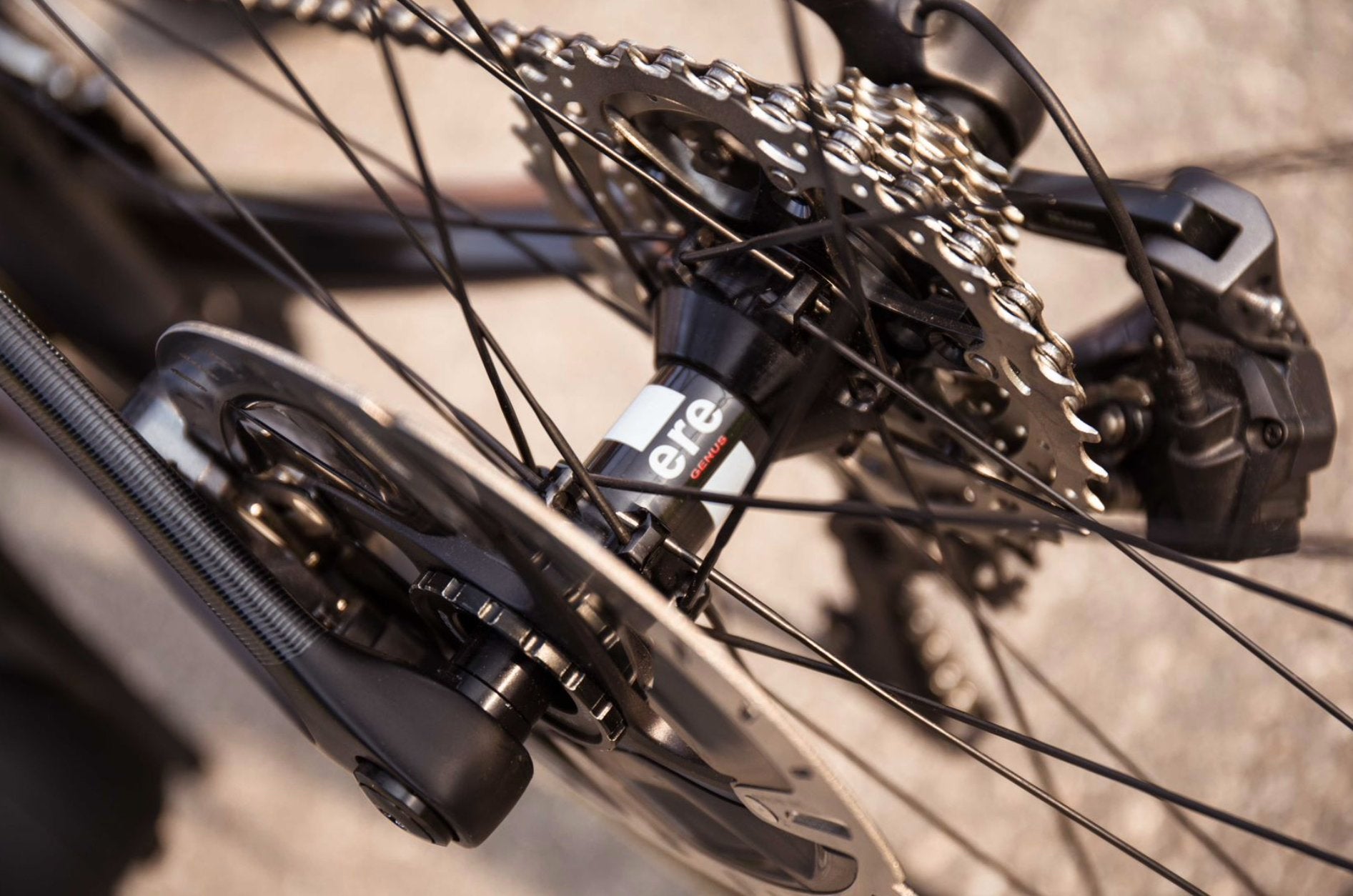
Below: the Ere Research TENACI GA40 Team Edition, a carbon gravel wheelset designed around modern gravel race speeds and stability-focused handling.

The Ere Research TENACI GA40 Team Edition designed for modern gravel race speeds and aerodynamic efficiency.
The TENACI GA40 Team Edition gravel wheels represent a modern approach to gravel wheel design.
With a 40mm rim depth, supportive rim width and stability-focused profile, the GA40 platform was developed around real gravel race conditions rather than laboratory assumptions.
These aero gravel wheels combine aerodynamic intent with predictable handling and tire-friendly support.
Explore our gravel wheel lineup
If you are researching the best gravel wheels for your bike, Ere Research offers multiple gravel wheel platforms developed for different riding styles and terrain.
The TENACI GA40 Team Edition focuses on modern gravel race performance.
For riders prioritizing low weight and responsiveness, the TENACI GT25 offers a gravel wheel platform designed for fast acceleration and versatile mixed terrain riding.
You can explore the full gravel wheel lineup here:
→ Ere Research Gravel Wheel Collection
For deeper insight into the engineering philosophy behind our wheels, visit:
→ Ere Research Wheel Technology
Frequently asked questions
What are the best gravel wheels?
The best gravel wheels balance aerodynamics, stability, rim width and durability to match modern gravel riding conditions.
Are carbon gravel wheels worth it?
Carbon gravel wheels often provide improved stiffness, weight balance and aerodynamic performance compared to aluminum options.
What rim depth is best for gravel wheels?
Many riders find mid-depth rims around 35–45mm provide an excellent balance between aerodynamic benefit and handling stability.
What tire width works best with modern gravel wheels?
Most modern gravel wheelsets are designed to work best with tires between 35mm and 50mm depending on terrain and rider preference.
Are aero gravel wheels good for everyday gravel riding?
Yes. When designed well, aero gravel wheels can offer a strong balance of speed, stability and versatility for both racing and fast all-road gravel riding.
Choosing the best gravel wheels ultimately depends on your terrain, riding style and performance goals.
This article explains how riders compare the best gravel wheels based on aerodynamics, rim depth, tire support, durability and real gravel race performance.